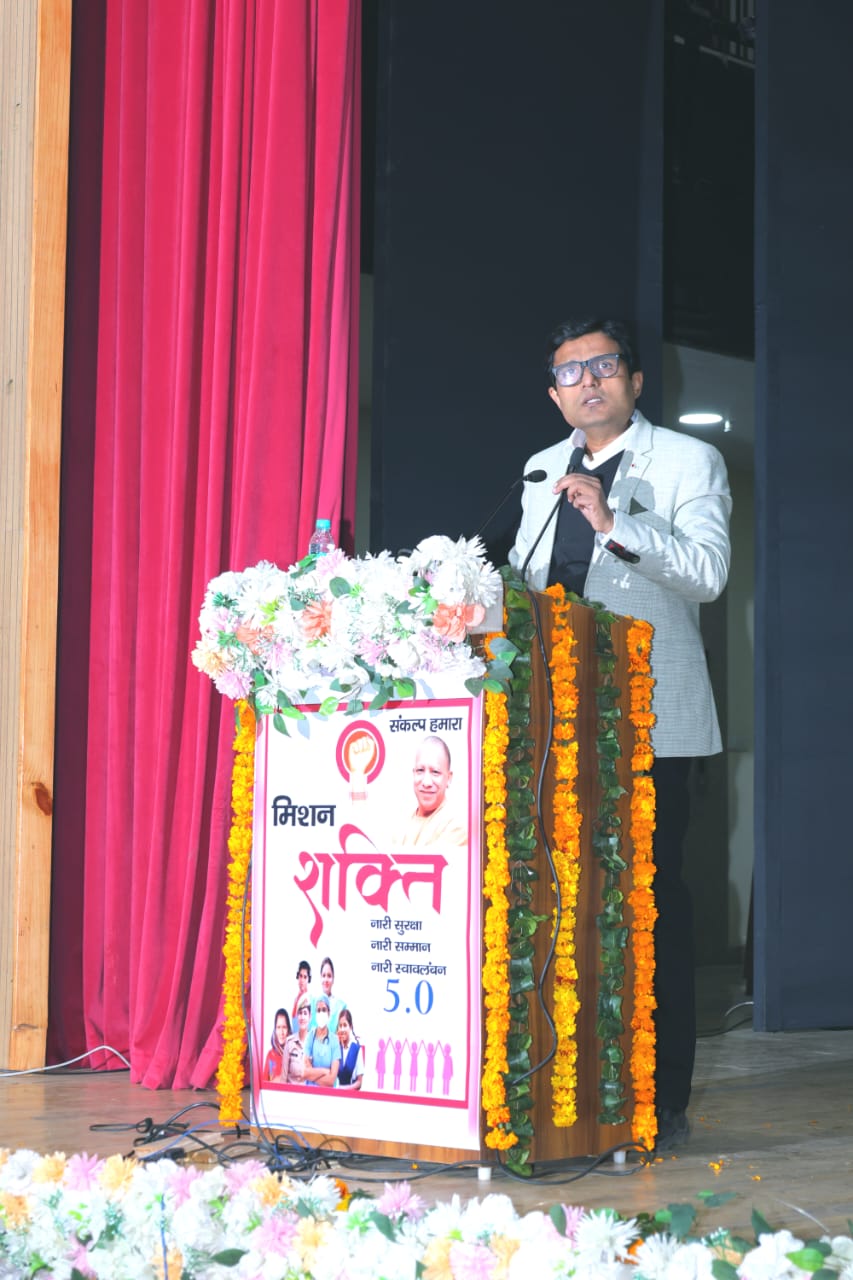
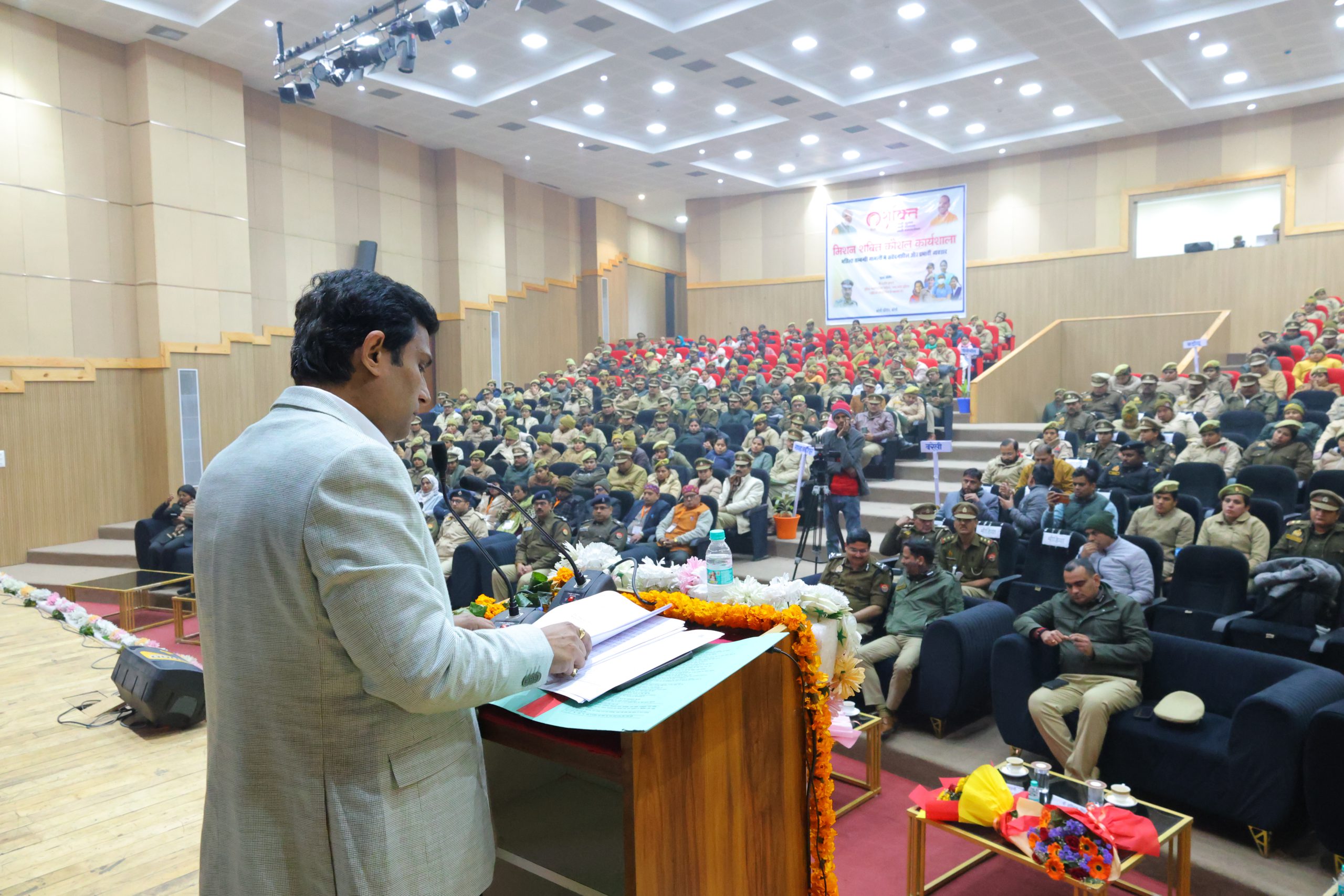
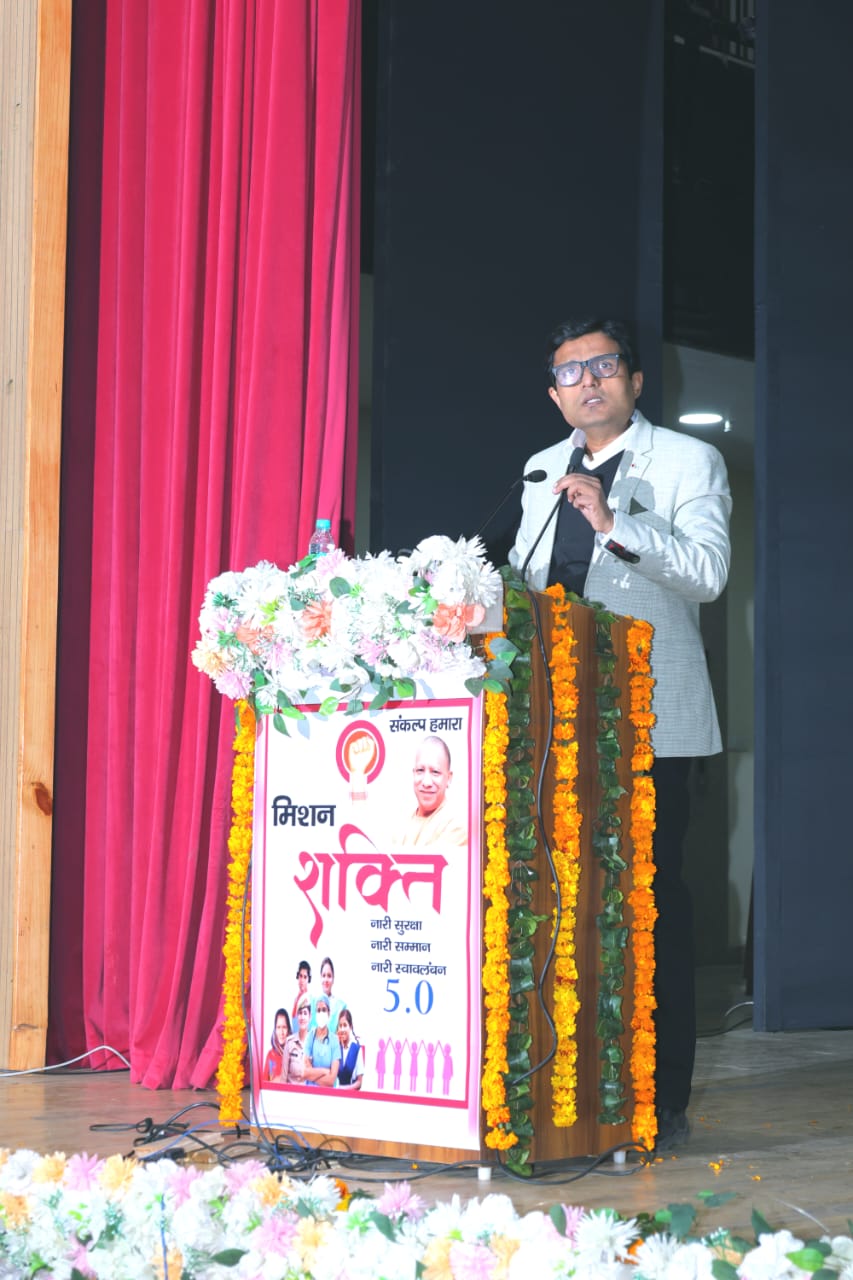
Bareilly, Uttar Pradesh (2026): In a significant step toward strengthening the investigation and prosecution of crimes against women and children, the Bareilly Police organized an intensive training workshop on Standard Operating Procedures (SOPs) under the Mission Shakti Kaushal initiative. The programme focused on improving legal precision, procedural compliance, and sensitivity in handling gender-based and child-centric offences.
The workshop was led by Shantanu Jugtawat, Advocate, Supreme Court of India, and Senior Public Prosecutor at the Delhi High Court, who was invited as the official resource person. Drawing from his extensive courtroom and prosecutorial experience, Jugtawat provided officers with practical insights into evolving legal standards and investigative best practices.
Focus on SOPs for Crimes Against Women and Children
The training covered updated SOPs governing investigations into serious offences, including those under the Protection of Children from Sexual Offences (POCSO) Act, dowry death, and cruelty within marriage. Officers were guided on aligning investigative procedures with statutory mandates while ensuring dignity, empathy, and victim-centric handling throughout the process.
A major emphasis was placed on balancing legal accuracy with human sensitivity, particularly in cases involving vulnerable victims. The session highlighted that procedural lapses, even if unintentional, can weaken prosecution and delay justice.
POCSO Act: Emphasis on Child-Friendly Procedures
A dedicated segment addressed investigations under the POCSO Act. Officers were reminded that child victims must be approached with care, patience, and psychological awareness. As per mandated guidelines:
- A child’s statement should be recorded at the earliest opportunity.
- The statement must be taken by a woman police officer not below the rank of Sub-Inspector.
- Wherever possible, the officer should be in plain clothes to avoid intimidation.
Repeated questioning should be avoided to prevent retraumatization.
A calm, safe, and supportive environment must be ensured at every stage.
Shantanu Jugtawat underscored that these safeguards are not mere formalities but legal obligations designed to protect the mental well-being of the child and the integrity of the investigation.
SOPs in Dowry Death and Matrimonial Cruelty Cases
The training also examined SOPs applicable to dowry death cases under Section 304B of the IPC and Section 80 of the Bharatiya Nyaya Sanhita (BNS). Officers were informed that such cases demand heightened vigilance due to their complex nature, often involving:
- Circumstantial evidence
- Witness testimonies
- Forensic and medical findings
Key investigative priorities discussed included early evidence collection, proper sealing and documentation of material evidence, and timely inquest proceedings. Officers were cautioned against premature or incorrect classification of deaths, stressing the importance of thoroughly distinguishing between homicidal and suicidal circumstances. Any misclassification at the initial stage, Jugtawat warned, can severely undermine prosecution efforts in court.
Capacity Building and Future Training Initiatives
The session concluded with a strong emphasis on continuous capacity building within the police force. Participating officers expressed appreciation for the clarity and practicality of the training, particularly the real-life legal examples shared during the workshop.
The Bareilly Police administration announced that similar SOP-focused training programmes will be conducted regularly to ensure officers remain updated with changing laws, judicial interpretations, and investigative protocols. This initiative under Mission Shakti Kaushal reflects a broader commitment to strengthening institutional responses to crimes against women and children.
A Step Toward Stronger Justice Delivery
By combining legal expertise with ground-level policing needs, the Bareilly Police SOP training marks a meaningful step toward more effective, sensitive, and legally robust investigations. With expert guidance from Shantanu Jugtawat, the programme reinforced the message that justice in crimes against women and children begins with informed, empathetic, and procedurally sound policing a foundation essential for public trust and successful prosecution.