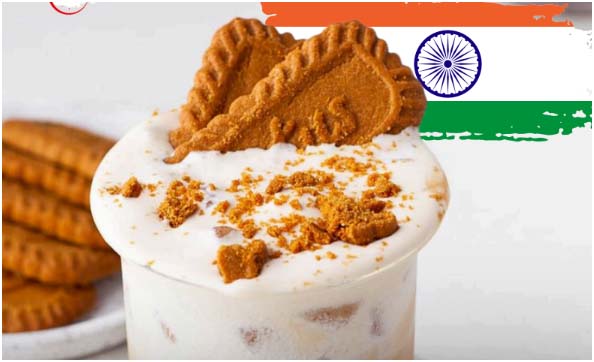
Once a coveted import treat, Biscoff’s Indian avatar has left loyal fans asking: Is this really the same biscuit?
For years, Biscoff biscuits were Mumbai’s unspoken status symbol. They arrived in suitcases from London, were carefully rationed at Bandra dinner parties, and sat proudly in South Bombay pantries. The caramelised Belgian biscuits weren’t just expensive; they were impossible to find. And that scarcity made them taste even better.
When Biscoff officially launched in India with local manufacturing and a ₹10 pack available at every corner store, it should have been a victory lap for fans. Instead, it sparked an uncomfortable conversation: Why does it taste so different?
“I Feel Betrayed”
(Embedded IG reel Mumbai Nikhil https://www.instagram.com/reel/DTZiHmWCG5-/ )
The criticism started quietly on food forums and Instagram stories, but it exploded when popular Mumbai creator Mumbaikar Nikhil posted a video comparing the Indian and international versions. His verdict was blunt: “I feel betrayed whenever I eat it here in India.”
Nikhil wasn’t alone. Across the city, people who’d been buying Biscoff from duty-free shops for years were doing their own taste tests. The consensus was clear. The Indian version felt lighter, less rich, and missing that deep caramelised flavour that made the original so addictive.
“The international version is noticeably bigger and richer,” Nikhil pointed out in his review. “The Indian variant lacks the signature caramelised depth that built the brand’s reputation.” He questioned whether the brand had cut corners to hit that ₹10 price point. “As an Indian consumer, when you realise the product available globally is richer, tastier, and thicker… it doesn’t feel good.”
The Price of Accessibility
Biscoff’s India strategy was textbook FMCG: manufacture locally, price competitively, and capture volume. The ₹10 pack put it within reach of millions. But it also transformed Biscoff from a special-occasion indulgence into just another biscuit competing with Parle and Britannia.
For a brand that built its reputation on premium quality, that shift came with risks. Especially when the product itself seemed to have changed.
Food bloggers and home bakers across Mumbai began documenting the differences. Side-by-side videos showed the imported version was visibly thicker. Taste comparisons described the Indian one as “lighter” and “less complex.” Even the texture felt different: less crumbly, less buttery.
The speculation centered on one question: Had Biscoff reformulated the recipe to cut costs for the Indian market?
When the Packaging Promises More Than the Product
What made the situation worse was the packaging. The Indian packs look almost identical to the international ones: same logo, same colors, same visual identity. It promised continuity. When you bit into the biscuit and it tasted different, the disconnect was jarring.
This isn’t unusual. Many global brands adapt their products for India, tweaking recipes for local tastes or cost structures. Cadbury’s Dairy Milk in India tastes different from the UK version. McDonald’s menu is unrecognizable compared to its American counterpart. But those brands don’t pretend otherwise.
The issue with Biscoff is the silence. There’s been no acknowledgment that the Indian version is different, no explanation of why, no separate branding to signal a local variant. For consumers who know what the “real” Biscoff tastes like, it feels like a bait-and-switch.
The New Indian Consumer
What’s interesting about the Biscoff controversy is what it reveals about Indian consumers today. We’re often told that Indian shoppers are price-obsessed, that they’ll always choose cheap over quality. But that narrative is outdated.
Mumbai’s middle class travels internationally. They order from Amazon Global. They watch international food creators on YouTube. They know what they’re missing. And when a brand promises them the same experience at a lower price, they’re savvy enough to call out the difference.
Mumbaikar Nikhil’s comment cut to the heart of it: Are global brands assuming Indian consumers don’t deserve the same quality? That we won’t notice? That we’ll be grateful just to have access?
What Happens Next?
Biscoff now has a problem. The conversation has moved from niche food forums to mainstream social media. Millions have watched comparison videos. The brand’s credibility in India is at stake.
The company has a few options. It could acknowledge the differences and explain them: local sourcing, regulatory requirements, cost structures. It could introduce a premium imported line alongside the local one, giving consumers choice. Or it could reformulate the Indian version to match the original more closely.
What it can’t do is stay silent. Because today’s consumers don’t just buy products; they research them, compare them, and review them publicly. And once trust is broken, it’s hard to rebuild.
For now, die-hard Biscoff fans in Mumbai are back to asking their friends to pick up packs from Heathrow. The ₹10 version sits on store shelves, accessible but somehow less desirable. A biscuit that once felt special now feels like a compromise.
And that’s the real loss: not just of flavor, but of what Biscoff represented. That little taste of elsewhere, now closer to home but somehow farther away.